
Changing the case of an API URL path can change the resource or prevent a route match. Do not lowercase the entire URL as a general cleanup step; use the rules for each component and the endpoint's actual contract.
Hostname rules do not define every component
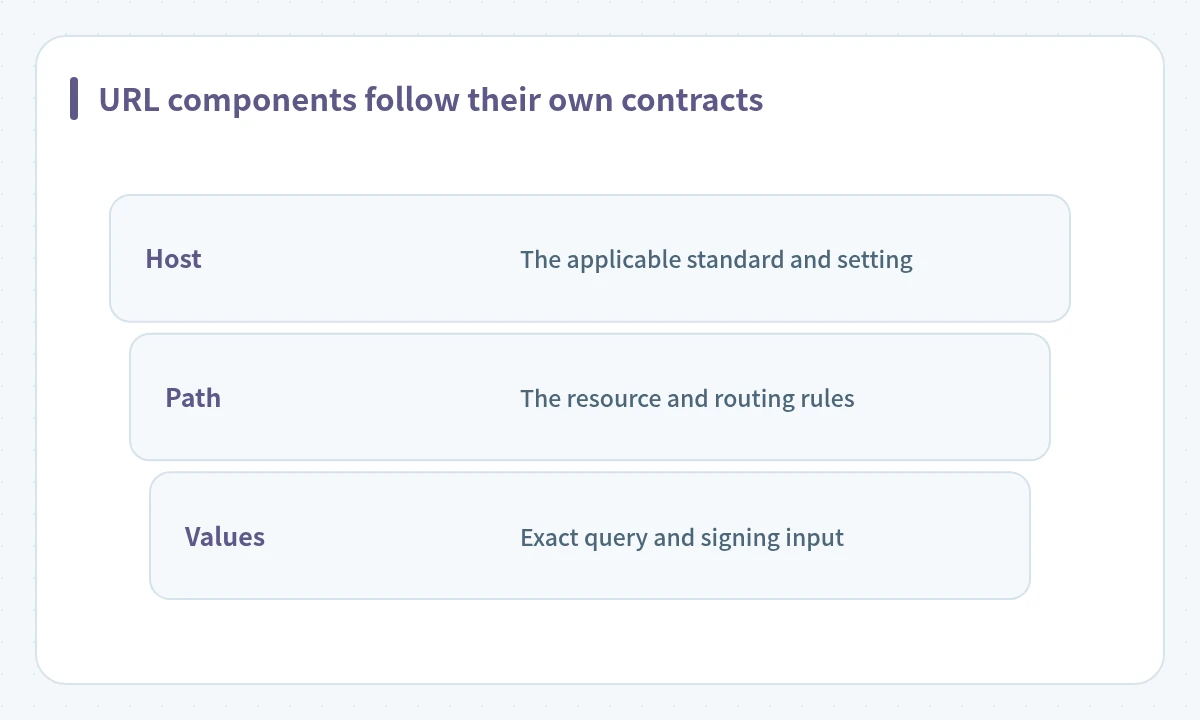
A no sim backup phone number integration can use hostnames, paths, query values and signing inputs with different requirements. RFC 3986 discusses URI components and normalisation. A rule appropriate to the hostname should not automatically rewrite a resource path or an opaque value.
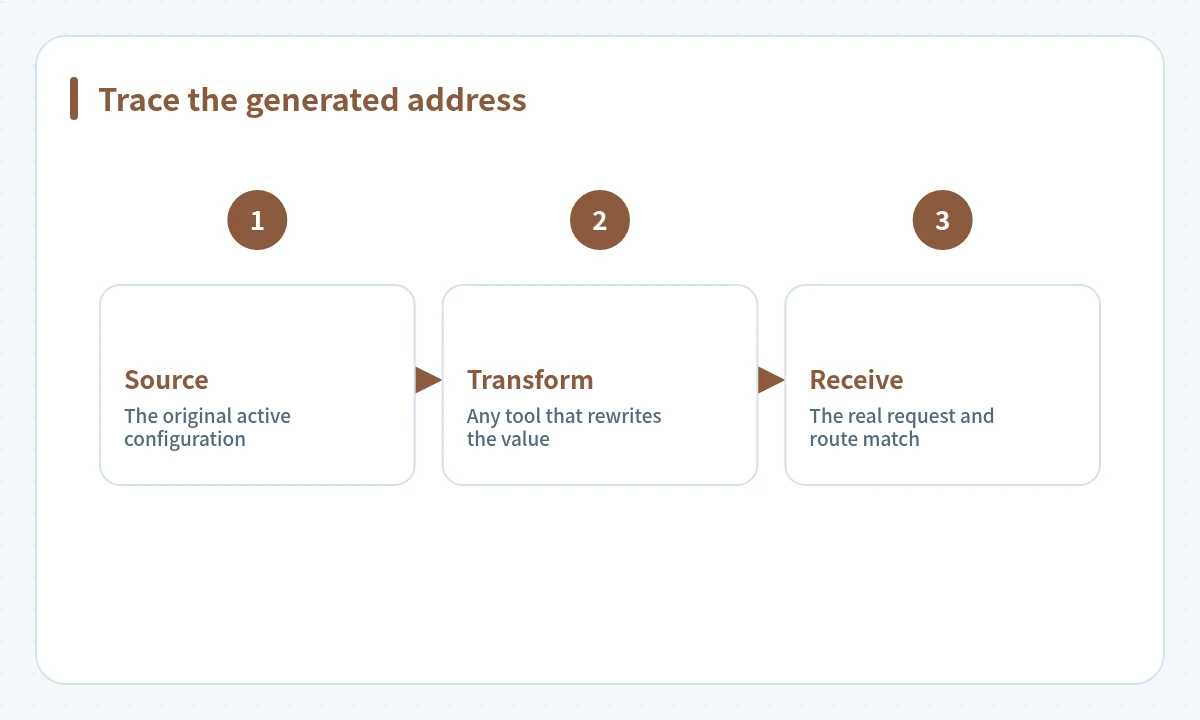
Compare the official active configuration with the emitted request and server route result. A display alias or documentation example is not necessarily the representation the application saved. Establish the actual difference before modifying the handler to accept more variations.
Preserve opaque identifiers as defined
A path can contain a resource identifier or token whose representation belongs to the provider's contract. One deployment accepting another spelling does not promise that every region, proxy or later release behaves identically. Avoid depending on compatibility the service has not documented.
Treat hostname handling, resource-path matching, query-value meaning and signature input as separate contracts. Record which component changed and which rule authorises any transformation. A blanket case conversion loses that distinction.
Do not change an identifier to make a link look tidier or try variations against other people's resources. The service's identity and object-authorisation mechanisms remain necessary. Finding a matching path does not grant permission to use the object it names.
Trace tools that generate the address
Inspect configuration exports, spreadsheet cleanup, routing middleware and manual copying for broad case conversion. Correct the component that introduced the change. A manual repair on the last screen can be overwritten by the same upstream tool during the next configuration update.
If a signature includes the URL or a related identifier, verify the input under that protocol after the repair. Do not weaken authentication because an altered address happens to reach a route. Keep routing correctness and source validation as separate requirements that must both hold.
Configuration comparison should preserve the raw value alongside a safe display when diagnosing this issue. A logging view that normalises case can hide the very difference being investigated. Use an approved capture of the relevant components and remove secrets before sharing it. That lets operators distinguish the generated value from its presentation without broadening which endpoint forms the server accepts or teaching clients to depend on an undocumented alias.
Verify the actual request path
Use approved test endpoints and harmless identifiers to compare the emitted and received addresses. Check supported forms, invalid forms and unauthorised requests. Where redirects are involved, use the protocol's stated behaviour rather than assuming a browser's successful navigation proves API compatibility.
Keep diagnostic paths and request references limited, with tokens removed from public reports. After recovery, identify configurations still generating the altered form. The useful fix lives in the real address-generation chain, so the integration does not depend on operators remembering to undo a well-intentioned formatting step each time they save it.
