
Just Eat verification codes can refer to a UK restaurant's customer-contact flow rather than account login. The partner guide describes calling the contact number on an Orderpad receipt and entering the associated code when prompted. That order-contact value does not belong in the restaurant's website login form.
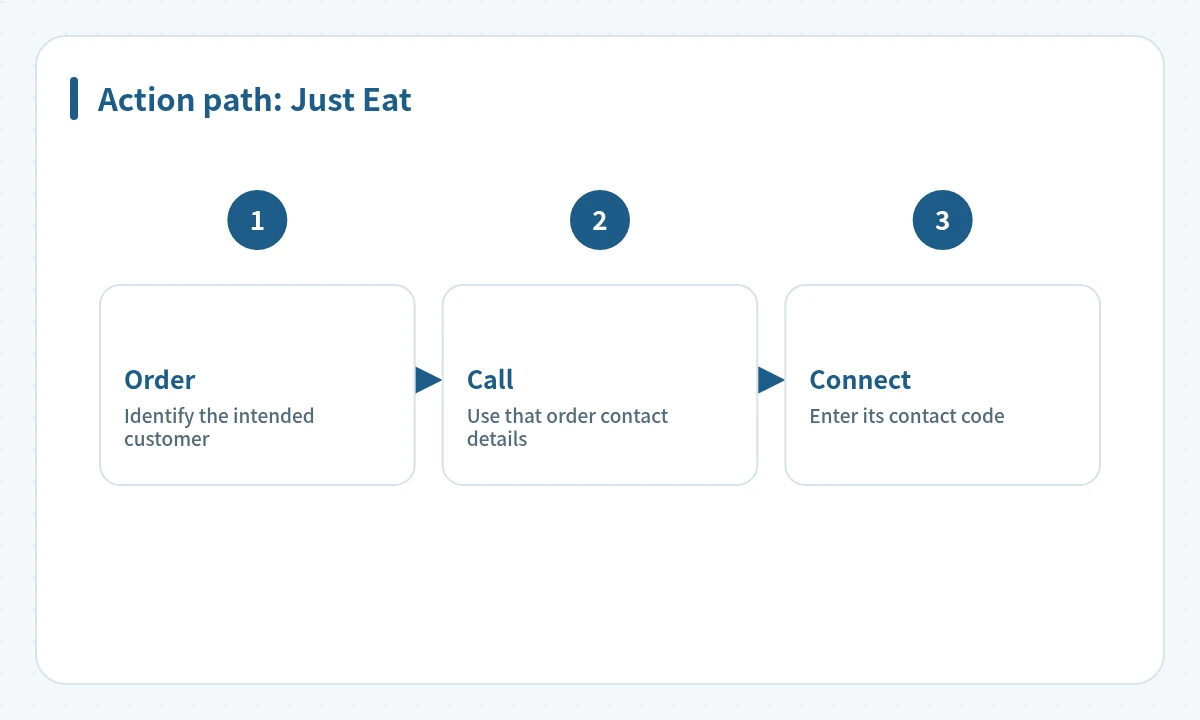
Start from the order you need to discuss
Identify the order requiring contact, such as an address that needs clarification or an item that needs discussion. Read the contact information on that order's receipt. Do not copy a convenient-looking number from another receipt and assume it still reaches the intended customer.
The official partner instructions use the receipt's contact number, followed by the verification value and the hash key in the telephone flow. The value serves that call-routing task. It is not a replacement for a restaurant account password or a response to an unrelated sign-in request.
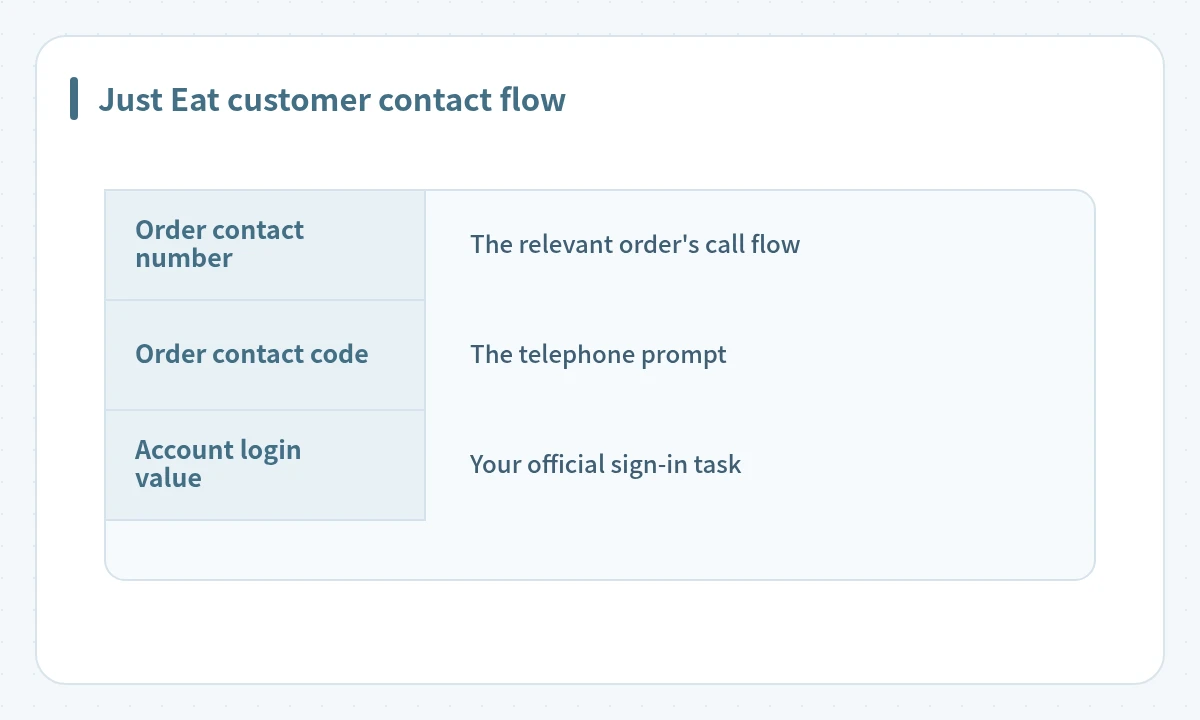
| Information shown | Where it belongs |
|---|---|
| Order contact number | The relevant order's call flow |
| Order contact code | The telephone prompt |
| Account login value | Your official sign-in task |
A proxy number is not the customer's private number
Just Eat explains that a callback may display a platform-owned number rather than the customer's own line. Do not permanently save it as that person's private contact or use it for future unrelated orders. The number is part of a mediated communication arrangement.
Contact codes also have a limited period of use. If an older order cannot be reached, inspect whether the current contact process remains available and use official order support where needed. Trying values from other receipts is not an appropriate way to find someone who answers.
In your own operational notes, keep the order reference separate from customer contact details. That gives a colleague enough context to locate the correct receipt without spreading a collection of phone-routing information beyond the people handling that order.
For a failed call, note whether it stopped before the voice prompt, rejected the entered value, or progressed without connecting. These observations help locate the interruption without speculating about the customer's personal phone or publishing their details.
Keep the conversation about the order
After connection, identify the restaurant and explain why you are calling. Ask only for the information needed to resolve the current issue. A customer does not need to provide a login password or SMS code to clarify an address or discuss an item change, and restaurant staff should not reveal their own access credentials to callers.
If an unexpected caller claims to represent the platform, verify through an official route. Just Eat's partner safety guidance warns about attempts to obtain account and payment details. Knowing part of an order is not sufficient reason to trust a request for sensitive information.
For a failed transfer, record the order reference, call time, voice prompt, and error before contacting support. Redact customer details and complete contact information from public screenshots. Describing the issue as an order-call routing failure is more precise than saying a code does not work, and avoids sending the investigation down an account-login path that you were never using.
References
Just Eat UK partners: Contacting a customer; Just Eat UK partners: Scam warnings
