
A trial becoming a paid account does not establish every receiving capability. Recheck resource allocation, enabled capabilities and the target task’s requirements after the upgrade.
Read the current product-specific restrictions
Providers can limit trials by product, resource, recipient or usage conditions. Twilio’s current trial documentation separates product rules rather than treating a trial as one uniform permission set. Do not rely on another provider’s trial experience or an old console guide to predict the present account’s behaviour.
The resource can also have its own assignment, rental and configuration conditions. A successful upgrade message does not necessarily establish that a particular number was extended, another resource was assigned or a previously unavailable route is enabled. Confirm the actual records rather than inferring them from the account banner.
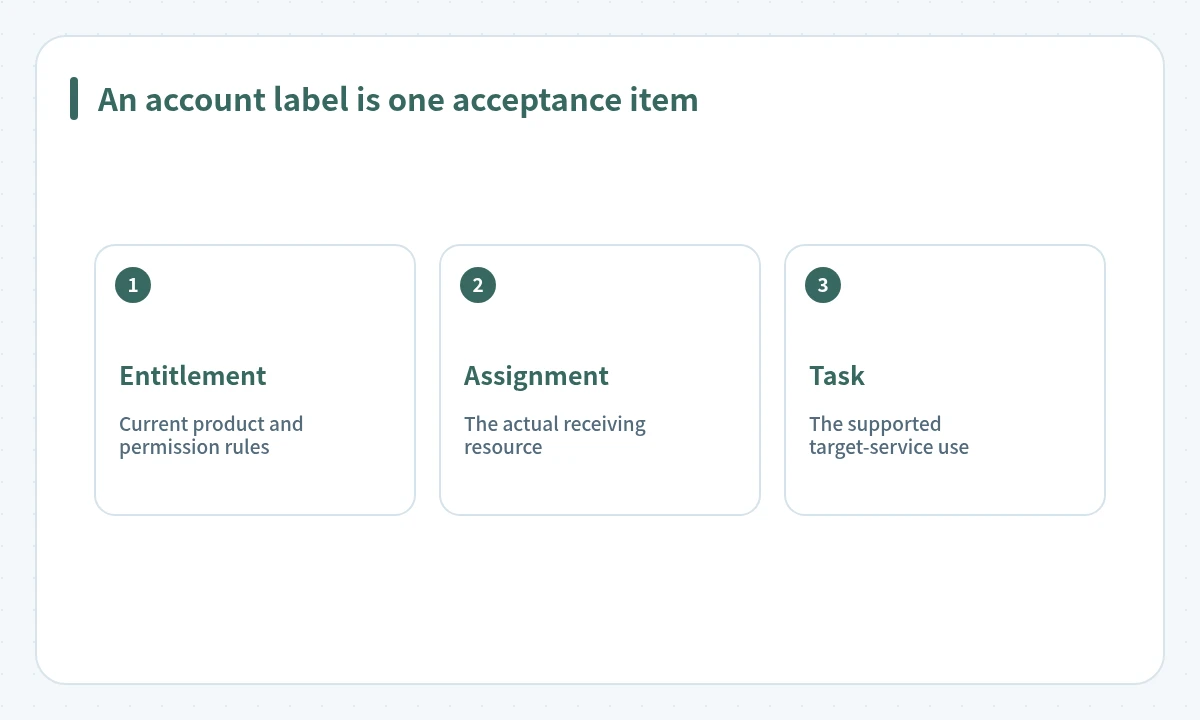
A practical acceptance record can answer four questions: which account changed, which resource remains assigned, which operation is required and what evidence establishes support. It should identify the relevant objects without copying credentials into a shared spreadsheet.
Keep simulated tests separate from real receiving
A former sandbox credential or test fixture does not automatically become a live messaging flow when the billing status changes. Inspect the application’s actual environment, endpoint and resource configuration. A simulated success screenshot is not evidence of live receipt.
| Layer | What to recheck |
|---|---|
| Account | The required product permission and current status |
| Resource | Assignment, lifetime and supported functions |
| Receiving path | The intended message type and sender route |
| Target business | Its legitimate acceptance and verification requirements |
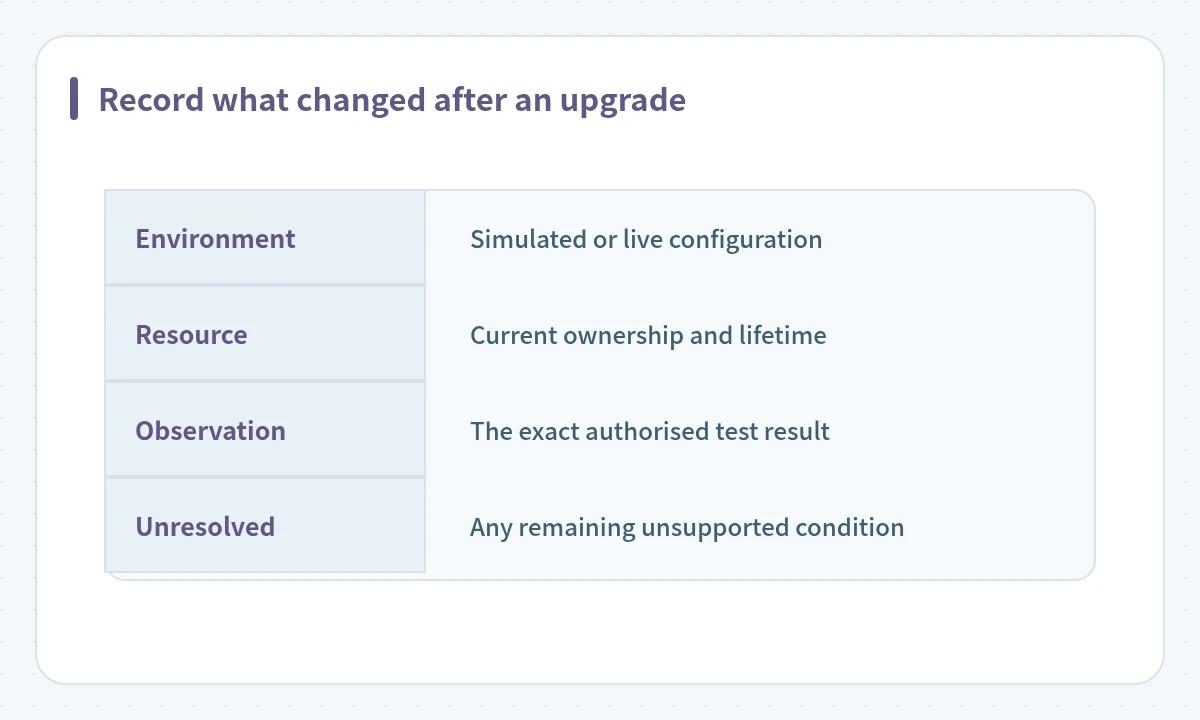
Where a live test is needed, use authorised resources and harmless content within the provider’s supported rules. Establish the relevant charges and scope before starting. Keep the observation narrow: a particular ordinary text reached a particular resource under the recorded conditions.
That result does not prove compatibility with every verification site. If a target service rejects the resource type, use its permitted alternatives rather than cycling accounts or changing country information to search for an exception.
Read entitlement wording carefully. A feature becoming eligible for activation is different from the feature already being configured on a resource. Where the product has a separate setup step, retain its observed result rather than marking it complete solely because the account now meets the prerequisite.
Finish the transition at the actual configuration
If credentials need to change, update the approved secure configuration used by the calling application. Do not paste a production secret into a public browser tool merely to speed up the check. Confirm which processes still depend on the old configuration before retiring it.
For other accounts bound to the number, review continuing access and recovery. Paying for a service and retaining a usable authentication path are related operational concerns, but they are not the same guarantee. The number may still have specific lifecycle conditions that need attention.
If the account and resource state disagree, ask verified support about the exact operation, resource and upgrade time. Do not assume another payment will resolve an unidentified restriction. Preserve the confirmed outcome and any remaining limitation so a later operator can distinguish an account change from a receiving capability that was never established.
Reference: Twilio: trial accounts and product restrictions.
