
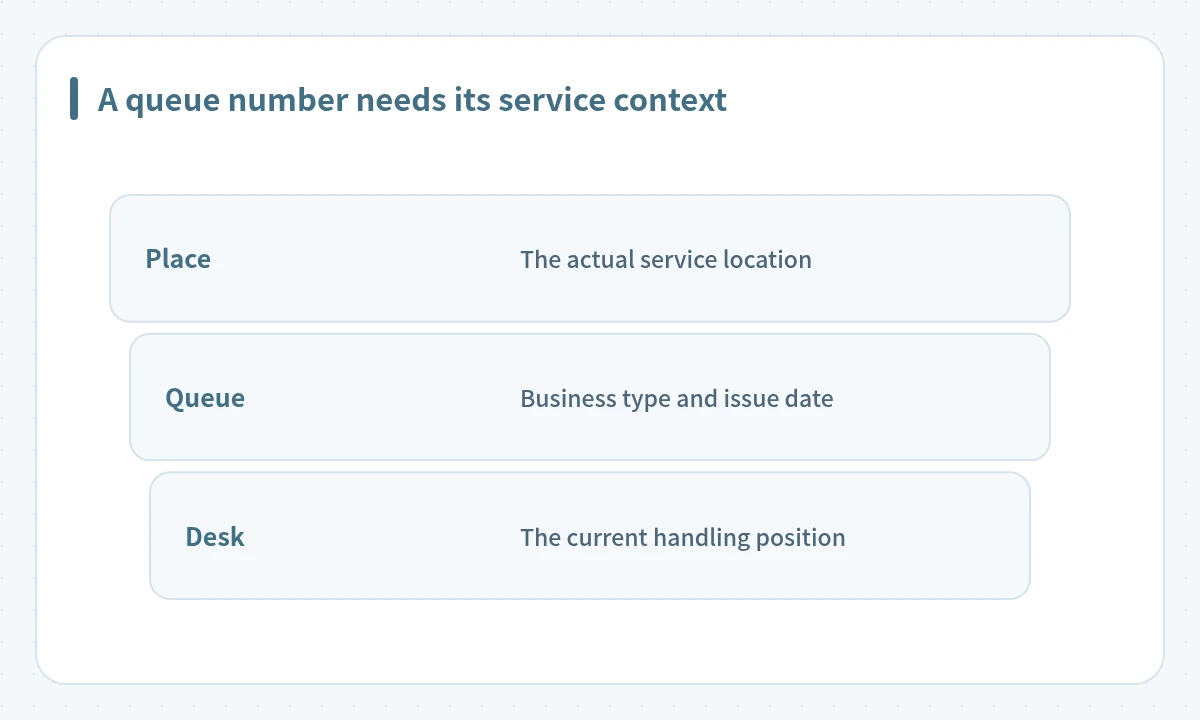
A queue-call text needs a place and service context as well as a number. Check the queue, date and current desk before assuming the SMS means you can immediately complete the intended task.
Identify the queue that issued the number
An ongoing fixed virtual number may receive supported service notices, but that contact arrangement does not determine where to attend. Different desks in one building can operate separate sequences, and the same number can be reused on another day. Consult the official service display or known status route.
Check the service type and issue date alongside the reference. Keep the notice associated with your own authorised appointment or visit. Receiving another person's queue information by mistake does not grant permission to handle their business or use their place in a process.
Compare the notice with the current progress
A call notification can appear after a device regains connectivity. Separate the event it describes from the moment your phone displayed it. Use the current queue result or staff instruction to determine what happens next. A displayed waiting estimate should be read within its stated conditions rather than as a fixed service commitment.
| Field | Check |
|---|---|
| Location | The actual service point or hall |
| Queue | The business type and issue date |
| Desk | The current handling position |
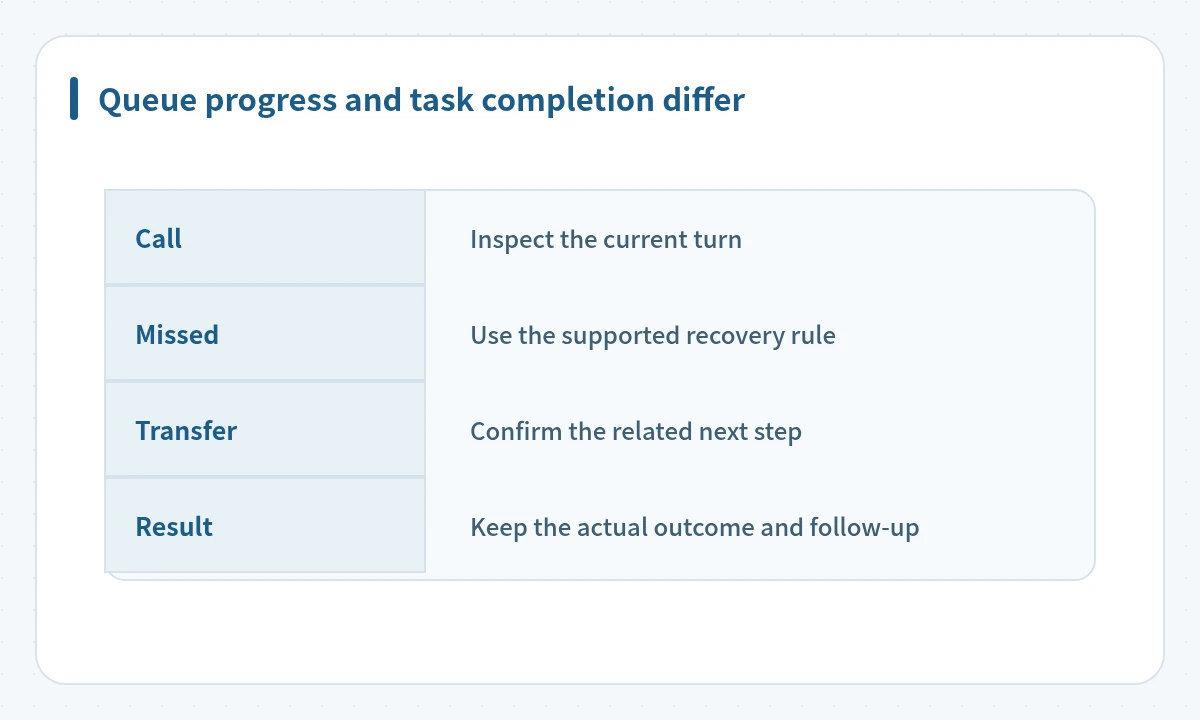
| Missed turn | The service's supported recovery rule |
If your turn has passed, ask how the service handles recovery or a new number. Repeatedly taking positions through several entry points can create conflicting records. Preserve the relationship to the original visit so later notices do not send you toward several desks at once.
Clarify a transfer between desks
A staff-directed transfer may retain the same reference or create a related next step under the local process. Ask which record to follow and who is responsible for directing you. Do not assume that another location's procedure applies merely because the queue system looks familiar.
If an accompanying person needs to coordinate, share the waiting place and next action. Keep personal case documents within the accepted submission process. A full screenshot containing private identifiers is usually unnecessary for asking someone to meet you near the correct desk.
If the service offers several locations, keep a location change separate from a queue refresh. A number issued at one office may not belong to another office’s sequence. Confirm the supported transfer or rebooking process before travelling. Preserve any new reference alongside the outcome of the original one, so late texts from the earlier location do not appear to be instructions for the new visit.
Check the task result before leaving
Reaching the desk, having a request accepted and completing the business task are distinct events. Confirm the actual result or remaining steps through the service's supported record. The absence of further queue texts cannot establish that an application, repair or other request is complete.
Retain the relevant receipt or reference for follow-up and record any outstanding action clearly. If a reminder number will soon become unavailable, check the service's route for later updates. This keeps queue coordination in its proper role: directing you to the right interaction while the actual service record explains what was done and what still needs attention.
