
Browser data usage and number-service charges can be billed separately. Check the network connection, rental, receiving and other resource rules rather than interpreting “no physical SIM” as “free.”
Identify the connection used by the browser
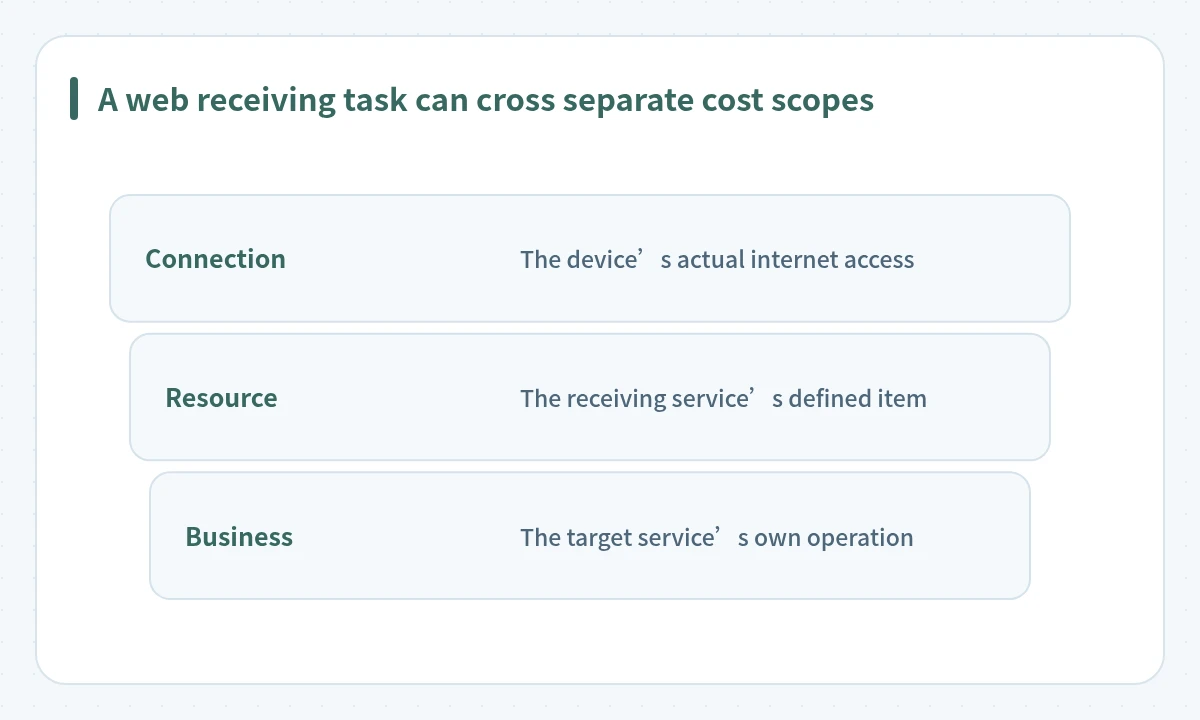
A computer may connect through broadband or a phone hotspot. A phone may switch between Wi-Fi and cellular data. Loading the page, its images and later queries uses the connection actually active at the time. When travelling, consult the network provider’s relevant roaming or hotspot terms as well as the inbox provider’s description.
The number shown in the receiving website is not necessarily the SIM number supplying that connection. Changing the local data SIM generally does not select another remote inbox resource. Likewise, renting a web receiving number does not by itself provide mobile internet access for the device.
Read service prices by object and trigger
For the receiving service, establish what is being purchased and what causes a charge. Questions can include the allocation period, receiving unit, included allowance, additional operations and renewal conditions. These are items to clarify, not a claim that every product uses all of those charges.
A headline price may apply to a different region, resource type or period from the one your task needs. Compare offers within the same defined scope. If a key condition is missing, obtain it rather than filling the gap with another supplier’s pricing model.
| Cost source | Relevant evidence |
|---|---|
| Internet connection | Network plan and actual usage records |
| Receiving resource | Order, resource terms and service entries |
| Target business action | That business’s own confirmation and terms |
Investigate the account where the change occurred
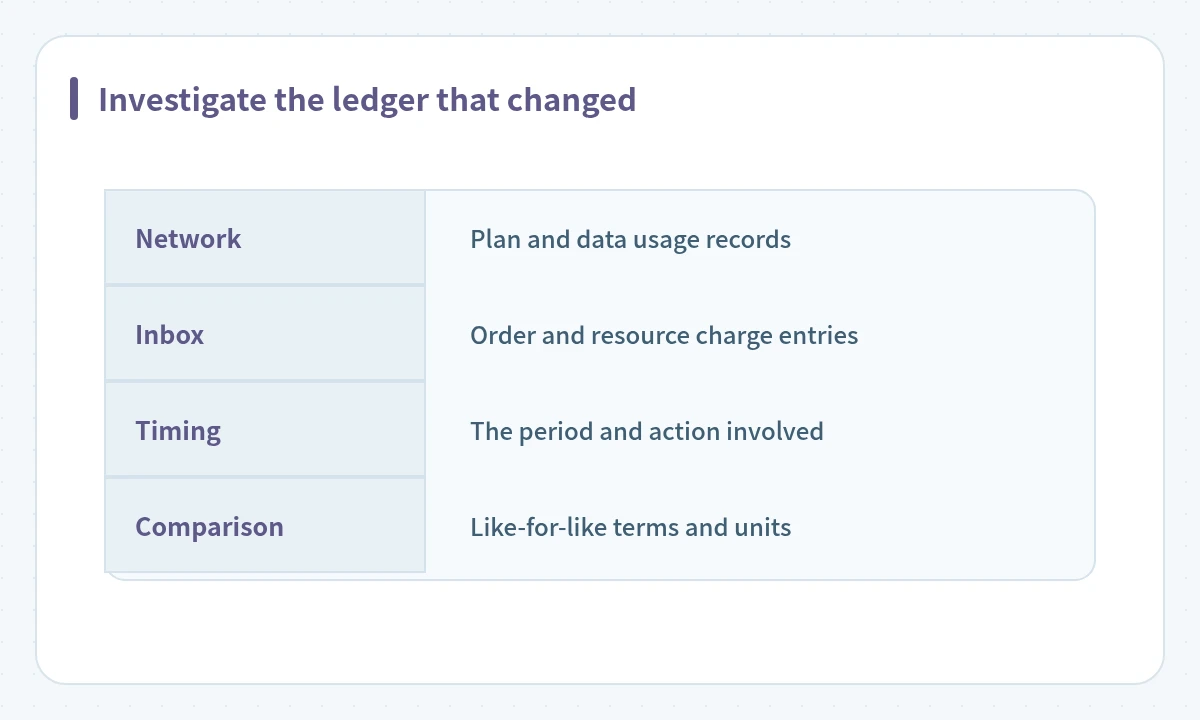
A network bill increasing and an inbox balance decreasing are different observations. Record the time, resource and action, then ask the party responsible for that ledger to explain the relevant entry. You do not need to disclose message bodies to establish which balance changed.
Do not count visible inbox rows and assume that the local carrier charged once for each one. Stored history can be queried repeatedly, and a receiving service can define its own accounting events. Only the actual terms and ledger can connect those observations to charges.
Continuous viewing needs a complete estimate
If the product offers automatic refresh, check its supported behaviour and the network environment in which it will run. A brief observation of ordinary usage may help locate a source of traffic, but it is not a reliable long-term spending cap. Avoid changing every refresh or notification setting before identifying what is actually being measured.
Keep separate cost assumptions for the device connection and the receiving resource. Include any documented period or renewal condition that affects the intended task. Do not infer free receiving from “no physical SIM,” or unlimited data from “works in a browser.”
The suitable arrangement also depends on supported message types and whether the same number will be needed later. A low visible price cannot compensate for an unconfirmed receiving condition. Decide from the complete defined task and its actual terms, rather than from one number on a catalogue page.
