
If a meter or billing reminder names an unfamiliar account, do not submit readings or payment simply because the text reached your number. First establish whether the service relationship is yours.
Check for an existing service relationship
Open the service application, known website or formal contact printed on your own bill independently of the message link. Compare the service and account context with the relationship you actually have.
An unfamiliar reminder may involve a mistyped number, an outdated contact or impersonation. The text alone does not establish which explanation applies. This question comes before any attempt to follow its reading or payment instruction.
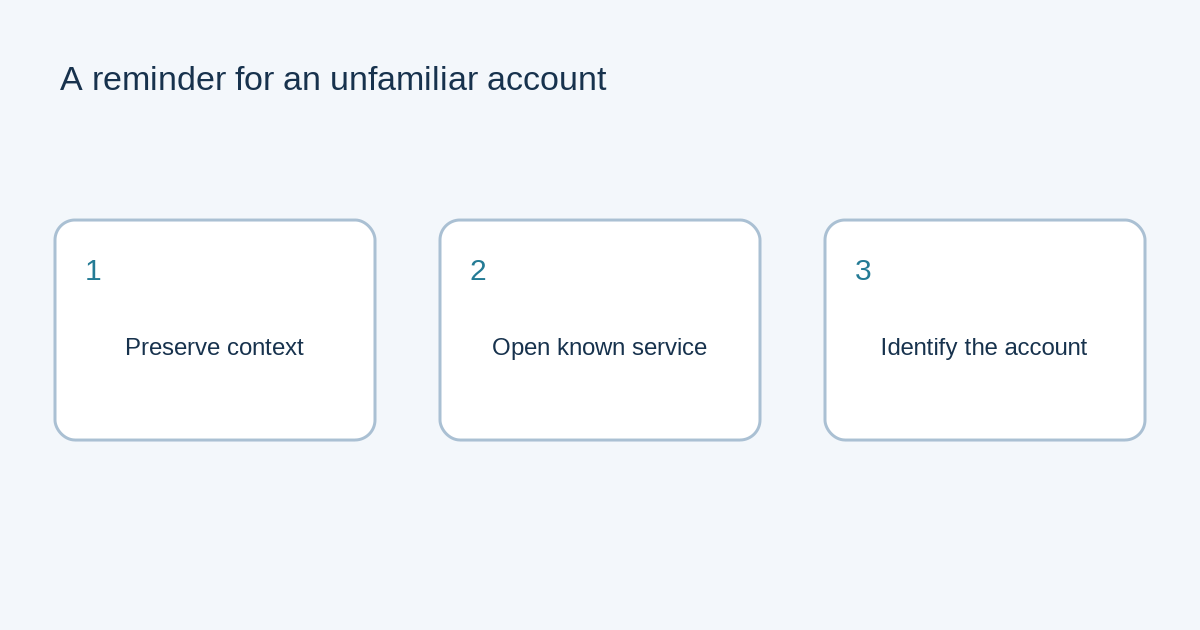
For another recipient, request a contact correction
If the account is not yours, do not supply somebody else’s meter details or enter an account challenge. Use independently located official help to explain that the number receives reminders for an unrelated account.
Provide only necessary timing, sender and redacted context through the formal process. Avoid public copies of complete service references, addresses or usable links, and keep a limited reference for comparing later reminders.
For your own account, inspect the original task
If the service is yours, look for the corresponding task in its official account and follow that service’s instructions. Questions about readings or billing belong to the original service rather than the receiving-number provider.
Before ending a temporary number arrangement, update dependent account contacts and inspect the replacement route. Do not test another person’s account or submit uncertain readings to investigate a wrong-recipient message.
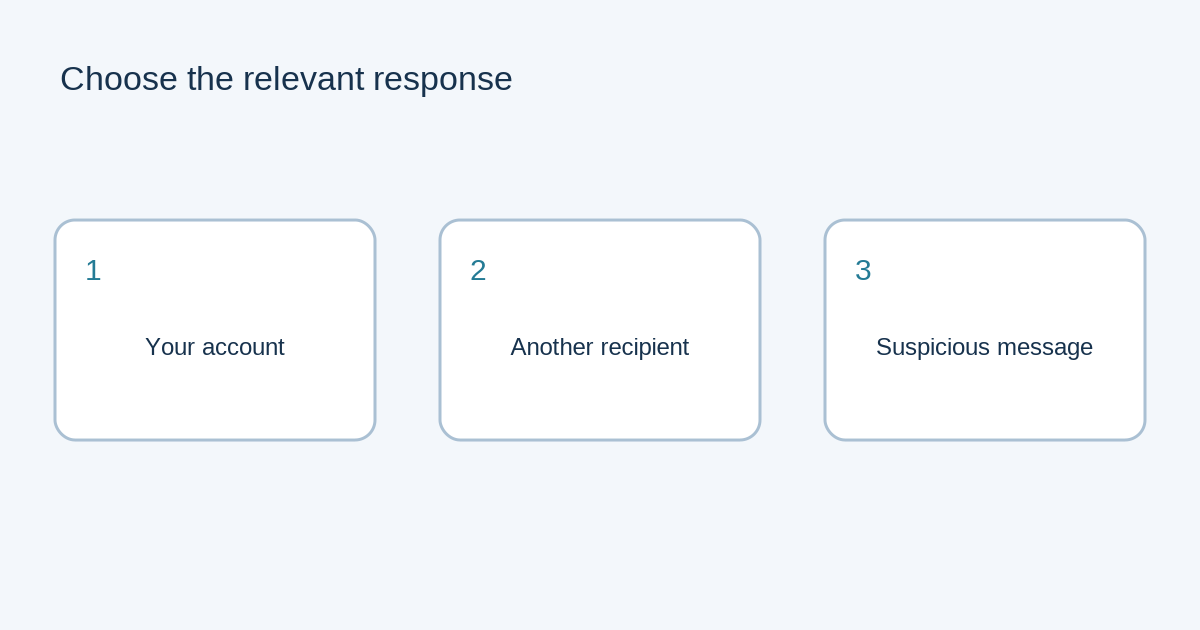
Treat suspicious links as a message issue
The FTC’s spam-text guidance recommends avoiding links in unexpected messages and contacting the service through a known formal entry. Use the reporting or blocking mechanisms supported by the actual device and carrier; available routes differ by region.
FTC: recognizing and reporting spam texts
Evaluate whether a contact correction completed through the formal route and whether matching reminders continue. A payment or new personal submission is unnecessary to demonstrate that a message reached the wrong recipient.
