
A mobile line-type label is not proof that a target platform accepts a number for verification. Read the lookup field within its defined purpose, then check receiving capability and the target service's requirements separately.
Establish what the classification answers
Simple mobile text receiving can involve a number whose type is described by a lookup source. Twilio's Line Type Intelligence documentation lists categories such as mobile, landline and different VoIP types. That is a specific classification service, not a promise that every other tool uses identical terms and coverage.
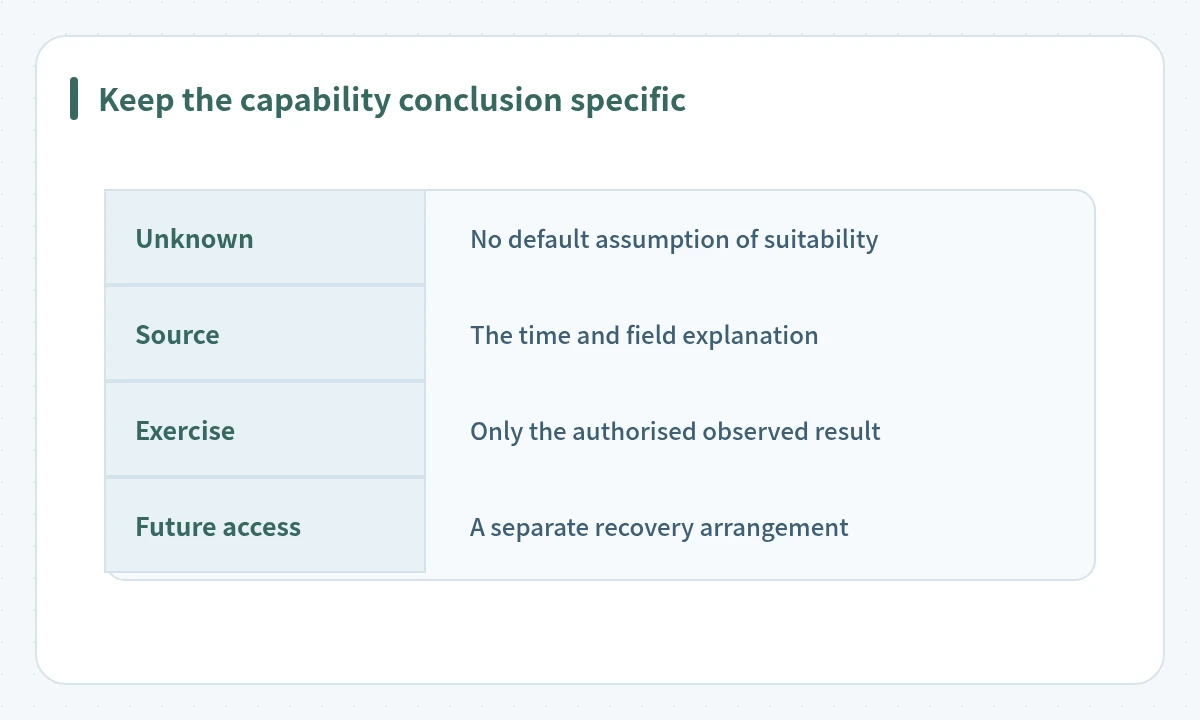
Keep the source, observation time and relevant error state. A missing field or unclear result should remain unknown. It should not become suitable merely because the returned value is outside a list of familiar rejection categories.
Evaluate distinct conditions
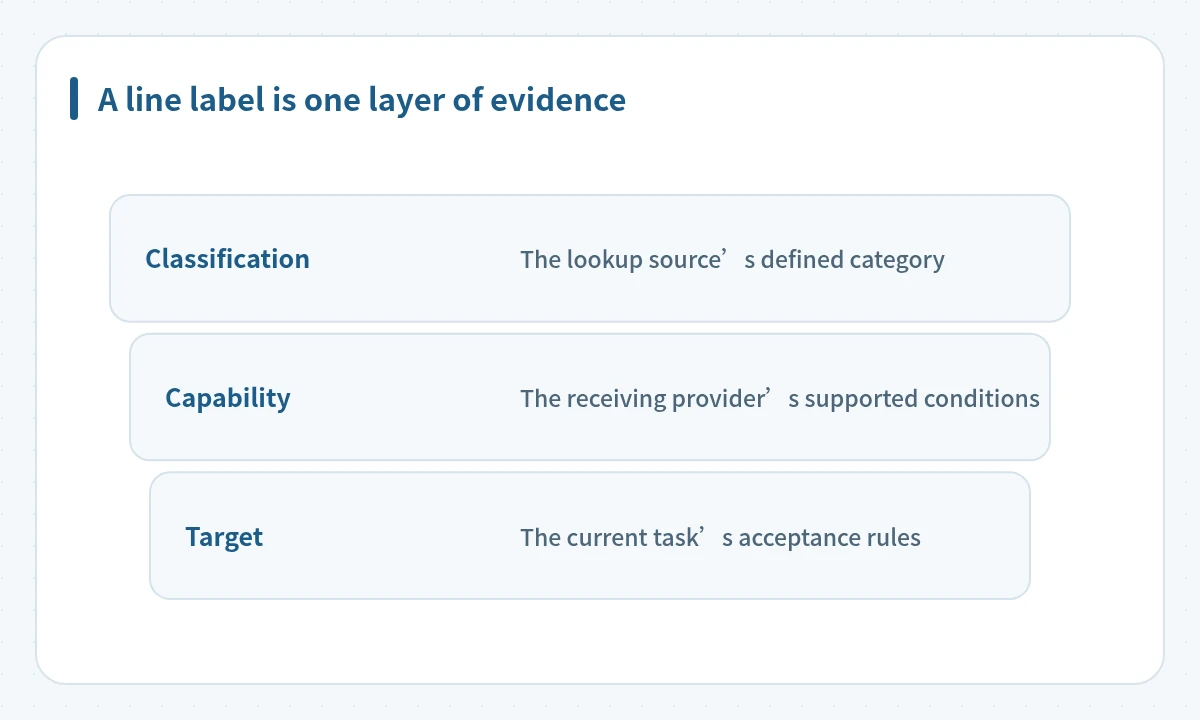
The source's classification, the provider's stated receiving capability and the target platform's current acceptance rules answer different questions. A short label does not determine every sender route, foreign short-code condition or future verification result. It also does not establish your continuing control of the receiving resource.
| Evidence | Scope |
|---|---|
| Line type | The source's defined classification |
| Capability | The receiving service's supported conditions |
| Target rules | The routes accepted for this task |
| Control | The authorised continuing access arrangement |
Do not alter the number's appearance to evade a platform restriction. One received message should not be advertised as compatibility with every service. If the target explicitly rejects the route, use its recognised support and accepted contact methods rather than treating a lookup label as an override.
Keep exercises within their observed scope
Where testing is authorised, use controlled resources and record the actual scenario and result. Do not use another person's number or account to experiment. Without an observed test, retain the documented information as documentation instead of inventing success rates or personal verification experience.
A result from one task also needs its context: which service, receiving arrangement and observation it described. Keep the evidence specific so a later reader does not treat a limited demonstration as a permanent property of the number type.
Keep a classification error separate from a confirmed unsuitable route. A provider may explain an unavailable field or a result needing further review, and that observation should not be rewritten into a definitive category. Ask the source about its actual meaning through the approved support process. Record the scope of any later correction so another task does not continue using an obsolete local interpretation. This maintains a useful distinction between documented capability evidence and a cached classification label.
Plan continuing access from the real arrangement
Even when current conditions are met, review number availability, account access and recovery separately. A classification lookup does not renew a lease, maintain a subscription or migrate bindings. Important ongoing tasks need more than a screenshot of a type field.
For a formal capability question, provide the relevant task and limited lookup reference through an approved channel. Private inbox histories and active codes do not belong in public reports. The useful conclusion names the conditions actually checked, rather than expanding one label into an indefinite receiving or eligibility guarantee.
Reference
Twilio: Line Type Intelligence
