A shared SMS inbox to receive public SMS is unsuitable for personal account verification, but an openly visible message flow may still be useful in a carefully designed demonstration. The key is to make every part of the demo intentionally public, rather than exposing real messages and hoping viewers ignore the sensitive details.
Decide whether a live receiving number is needed at all. A purpose-built interface with clearly labeled sample records may explain the workflow without receiving any external SMS. Use a live demonstration only when showing actual authorized receipt adds something the audience needs.
Create demonstration material from the start
Write benign messages specifically for the presentation. They can show that an envelope arrived, that a record has a time field or that a viewer can open message details. They should not contain authentication codes, real customer names, personal addresses, internal links or genuine order references.
Removing a name from an existing customer message is not the same as creating a clean sample. Other fields can preserve the customer's identity or reveal a business relationship. Start with fictional, non-operational content instead of attempting to disguise a real record.
If you use a sample reference, ensure it is not a valid credential or a value that opens a real business record. A demonstration should not accidentally create a functioning link to someone else's account. Avoid language suggesting that an invented sample is evidence of a real delivery result or customer experience.

Keep the receiving environment separate
Use only accounts, numbers and sending routes you are authorized to operate. Check whether the provider permits the intended public display and demonstration. An open page is not evidence that you have permission to use the number for any purpose or to send messages to it without restrictions.
Do not sign in to personal services using a public receiving number as part of a presentation. That would expose both the message and a possible future account dependency. The demo needs only a harmless message, not a successful registration on an unrelated platform.
Inspect the display before inviting viewers. Browser tabs, account menus, billing details and adjacent messages can reveal information outside the sample itself. A clean demonstration profile and a narrowly shared window are easier to review than a whole desktop containing real work.
Plan for unsolicited content during a live session
A publicly reachable receiving destination can acquire material you did not prepare. Whether and how that can happen depends on the service, but a live presenter should not assume that the next visible record will always be the intended sample. Review the provider's available controls and the demonstration's need for live access.
If viewers can interact with the demo, define what they are allowed to send and avoid collecting their personal details. A written instruction alone does not make the inbox safe for secrets. If the display cannot prevent unintended sensitive content from appearing, a controlled sample interface may be the more suitable presentation method.
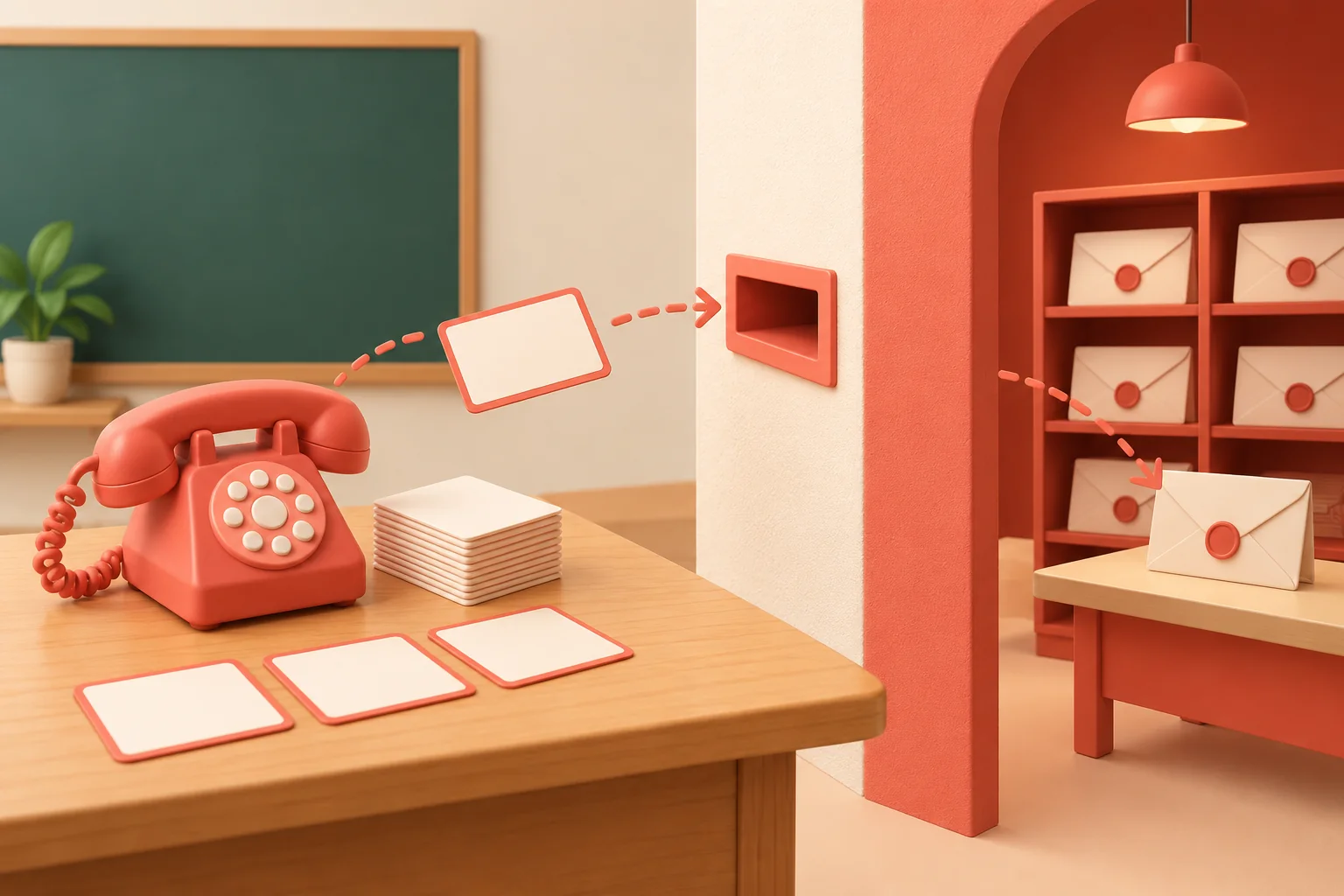
Make the limits visible without filling the screen with warnings
A simple label can distinguish demonstration data from a real service record. Explain which behavior is being shown: a layout, a message arriving in this controlled test or a particular navigation step. Do not present that limited result as proof of universal platform compatibility or guaranteed delivery speed.
Afterwards, stop the demonstration route and handle its records according to the actual setup. Remove any accidental personal content through the provider's supported process and avoid reusing a recording that still exposes it. Review screenshots and recordings as separate deliverables, since they can outlive the inbox.
A useful public demo makes the mechanics understandable while keeping real identities, credentials and customer records outside the exercise. Its value comes from a clear, controlled example, not from showing more live data than the explanation requires.


 Contact this website